
Photographs Conservation
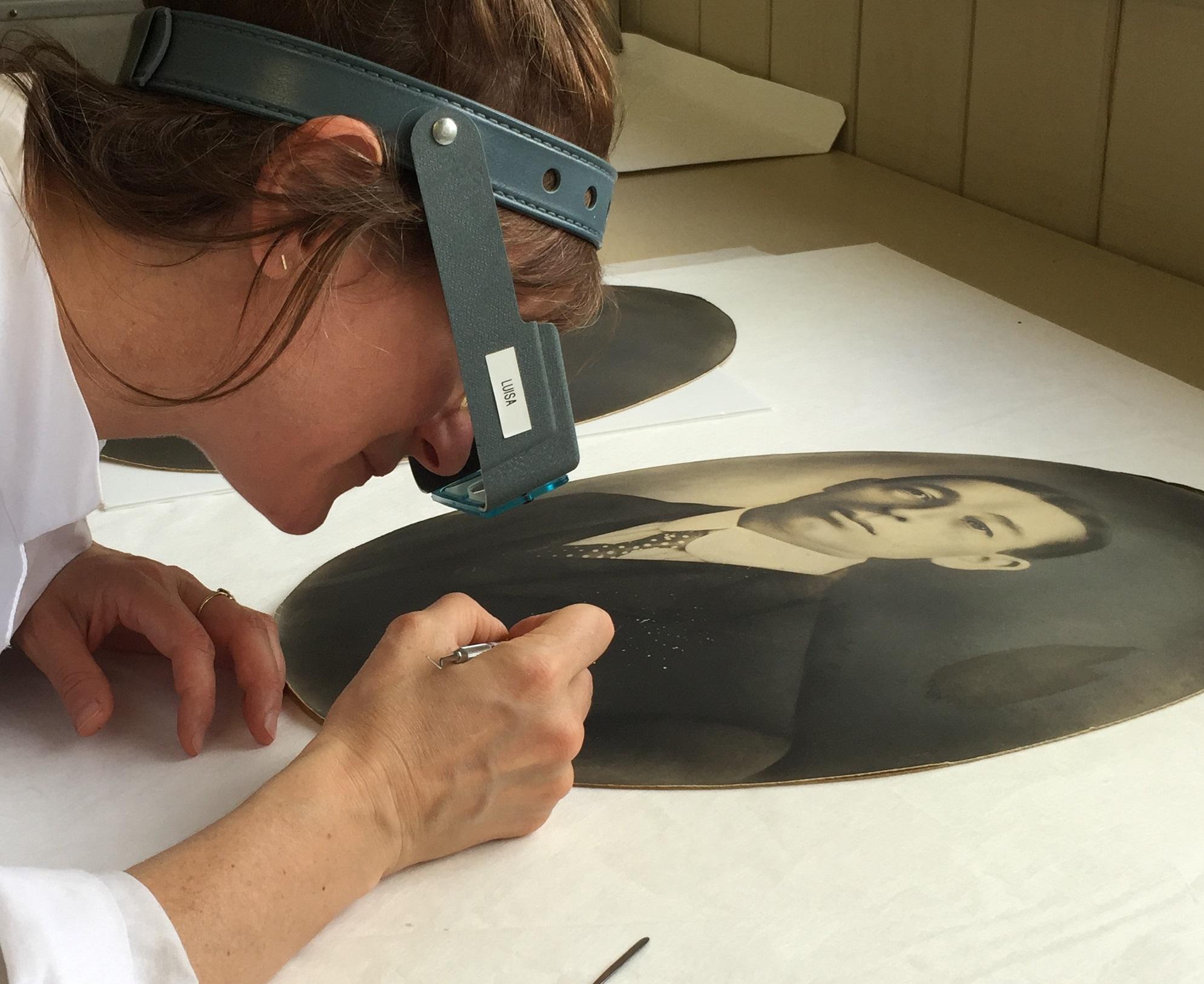
Conservator Luisa Casella treating crayon portrait
Photographs are varied and complex objects. First introduced in 1839, photographs can appear in a variety of forms and materials. Proper identification is key to be able to provide proper care. Photographs are particularly susceptible to inadequate environmental conditions. Physical damage, such as superficial grime and tears, can be reduced and repaired although often times the damage to the image layer is irreversible. In those cases, preservation measures of rehousing and providing appropriate environmental levels may slow the progression in deterioration.
West Lake Conservators provides conservation treatments and environmental condition assessments of individual photographs and collections, from 19th century processes to contemporary materials. In some cases, in addition to conservation treatment, our lab can produce an enhanced digital replica of the image. Our services include condition reports on individual photographs, collection surveys, emergency response, and disaster recovery.
Photograph Care Rules of Thumb:
- Avoid exposing photographs to excessive light
- Avoid touching the image layer
- Avoid using commercial cleaning products on photographs
- Don’t frame photographs with glazing directly in contact with the image layer
- Avoid high humidity or temperature
- Avoid very low humidity
- Keep photographs away from food or liquids
- Don’t apply tapes or glues to photographs
- Make sure housing materials passed the Photographic Activity Test
Selected Photograph treatment examples:
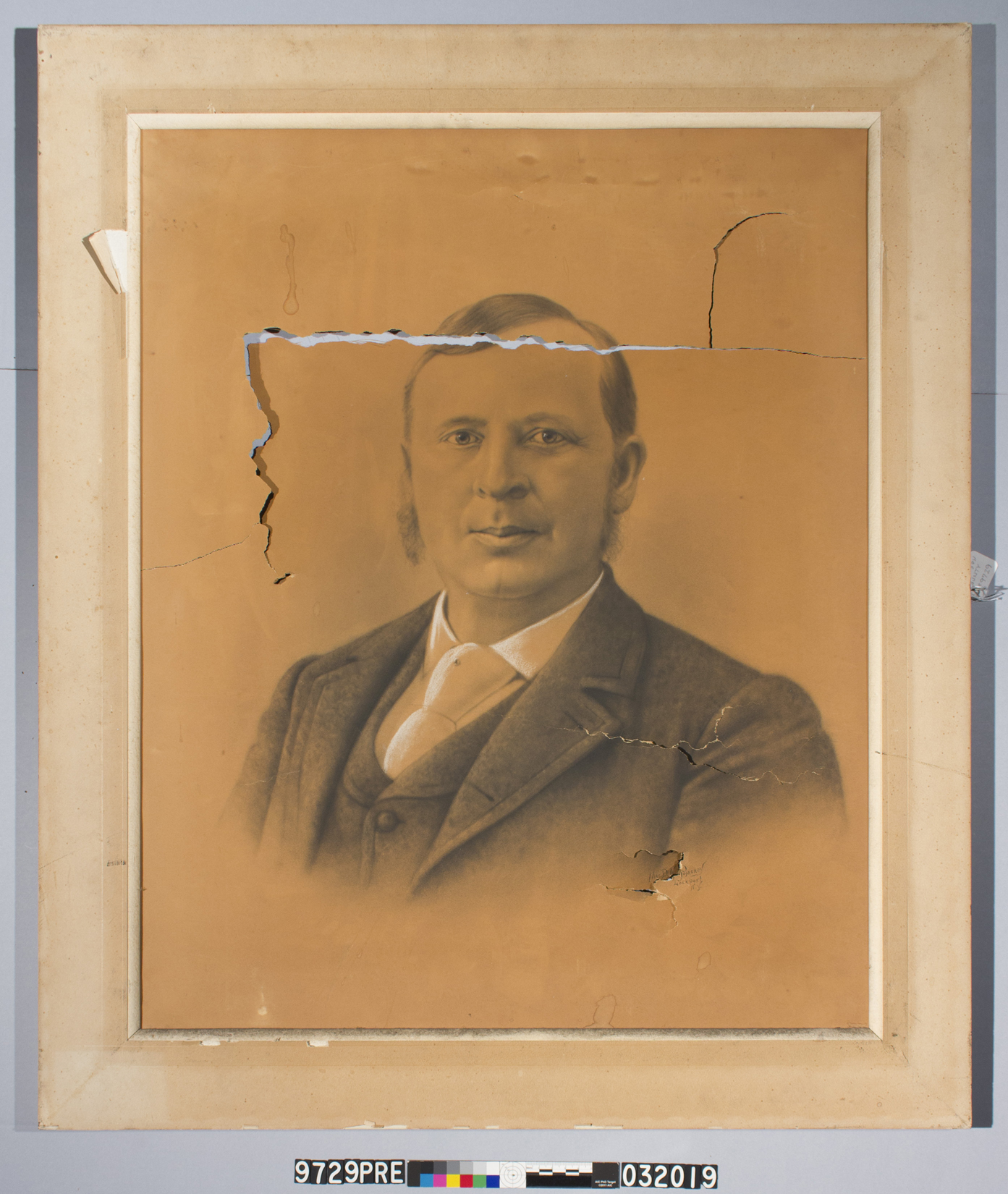
9729 Crayon portrait before treatment, presenting severe support discoloration and tears
Crayon portrait before treatment, presenting severe support discoloration and tears
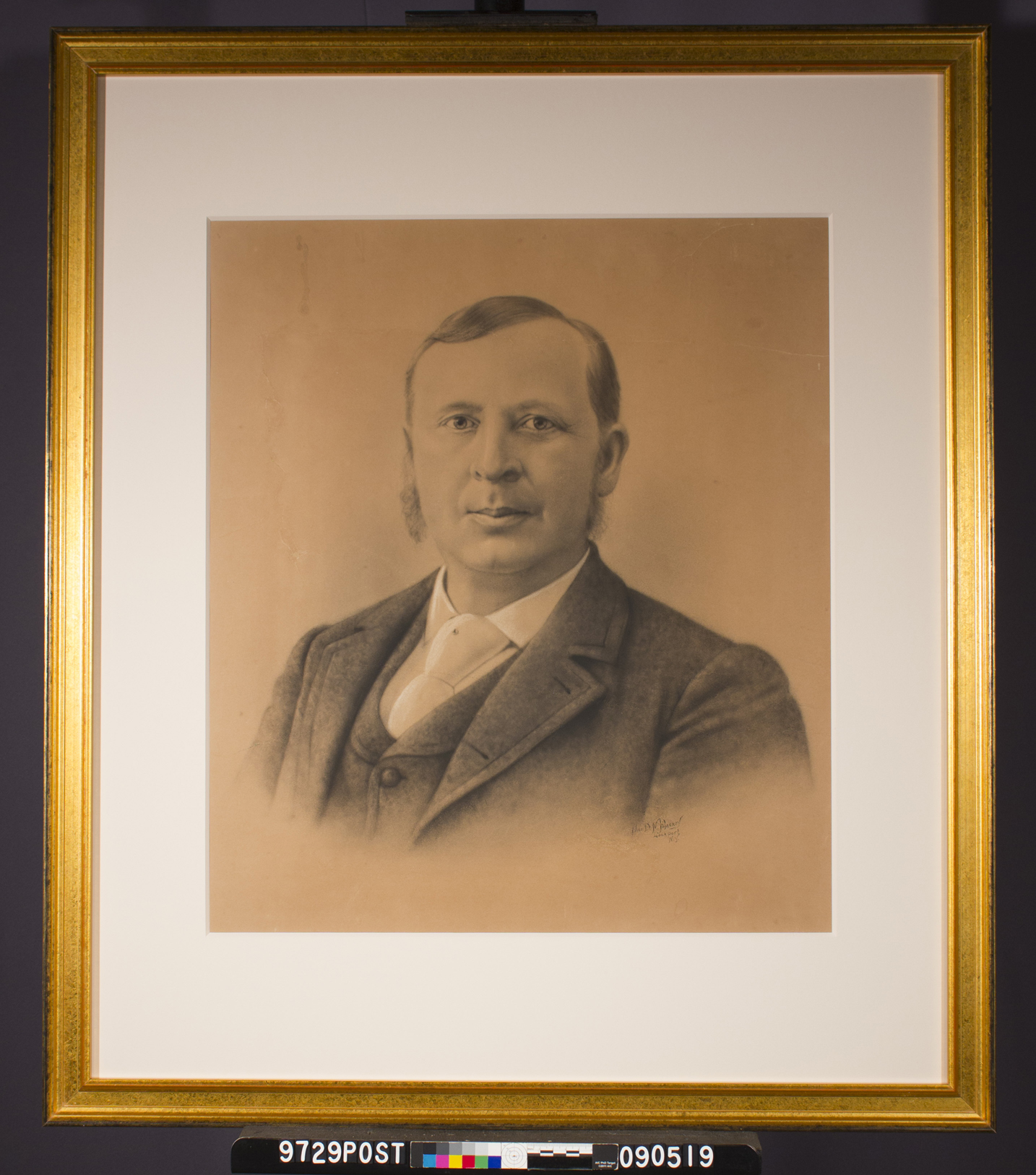
9729 Crayon portrait after light bleaching, lining, inpainting, housing in preservation package and with new frame
Crayon portrait after light bleaching, lining, inpainting, housing in preservation package and with new frame
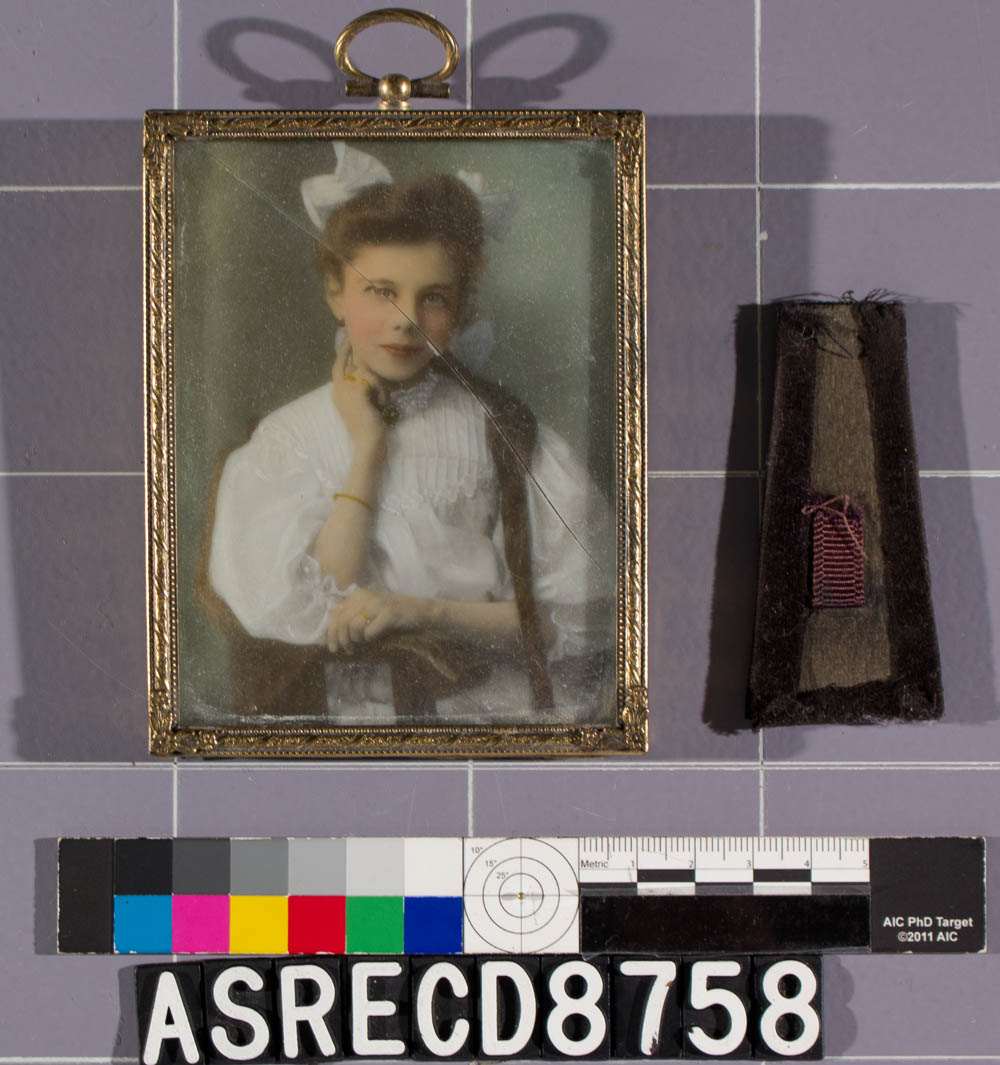
8758 Opaltype before treatment, with broken support
Opaltype before treatment, with broken support
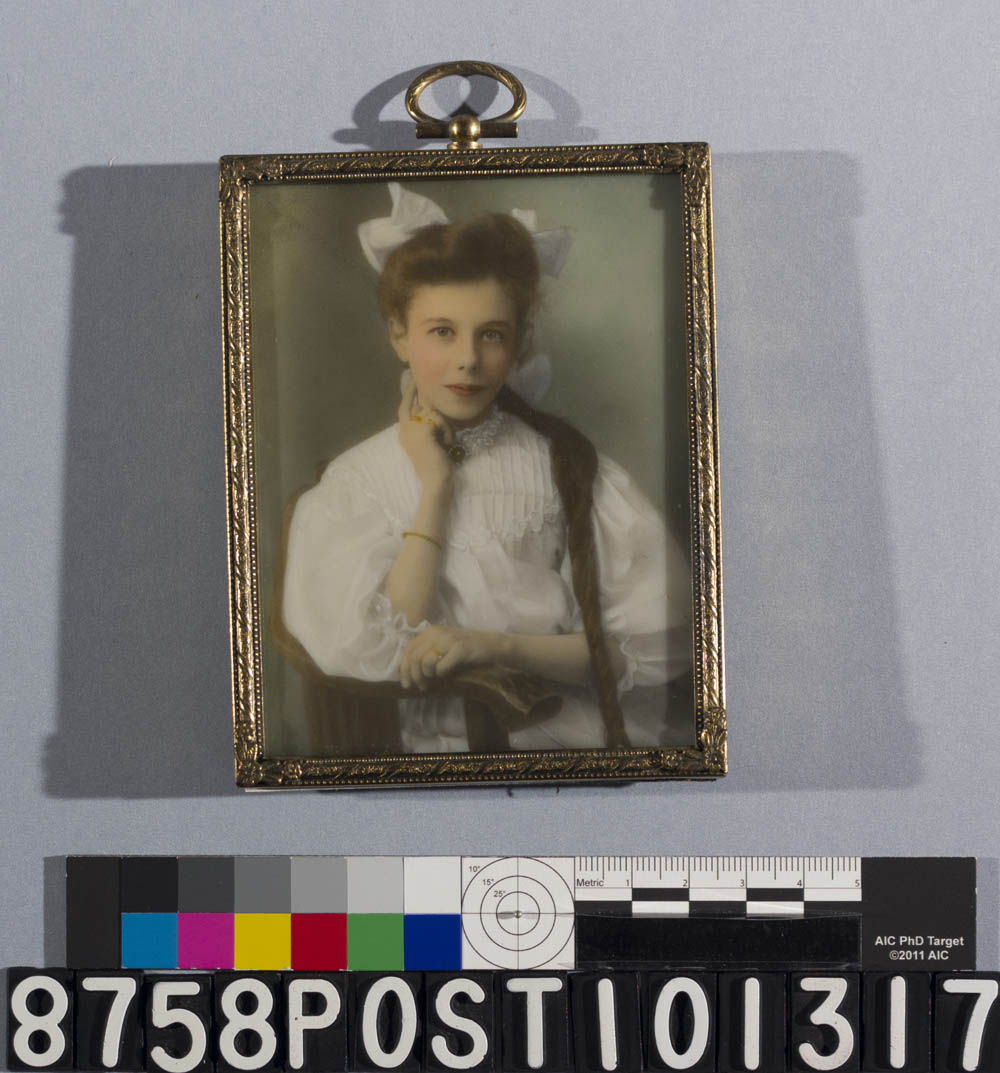
8758 Opaltype after mending and inpainting, housed in original frame
Opaltype after mending and inpainting, housed in original frame

7348 Blueprint before treatment showing extensive tears and adhered to poor quality backing
Blueprint before treatment showing extensive tears and adhered to poor quality backing

7348 Blueprints after tear mending and inpainting, housed in preservation package with new frame
Blueprints after tear mending and inpainting, housed in preservation package with new frame
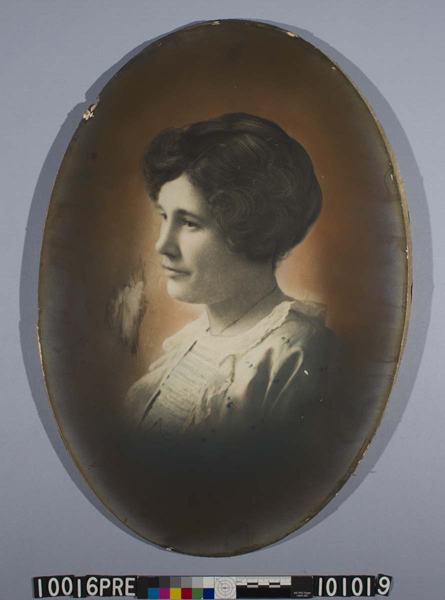
10016 Crayon portrait before treatment with media loss on left center and along edges
Crayon portrait before treatment with media loss on left center and along edges

10016 Crayon portrait after treatment of surface cleaning and integration of media loss areas
Crayon portrait after treatment of surface cleaning and integration of media loss areas
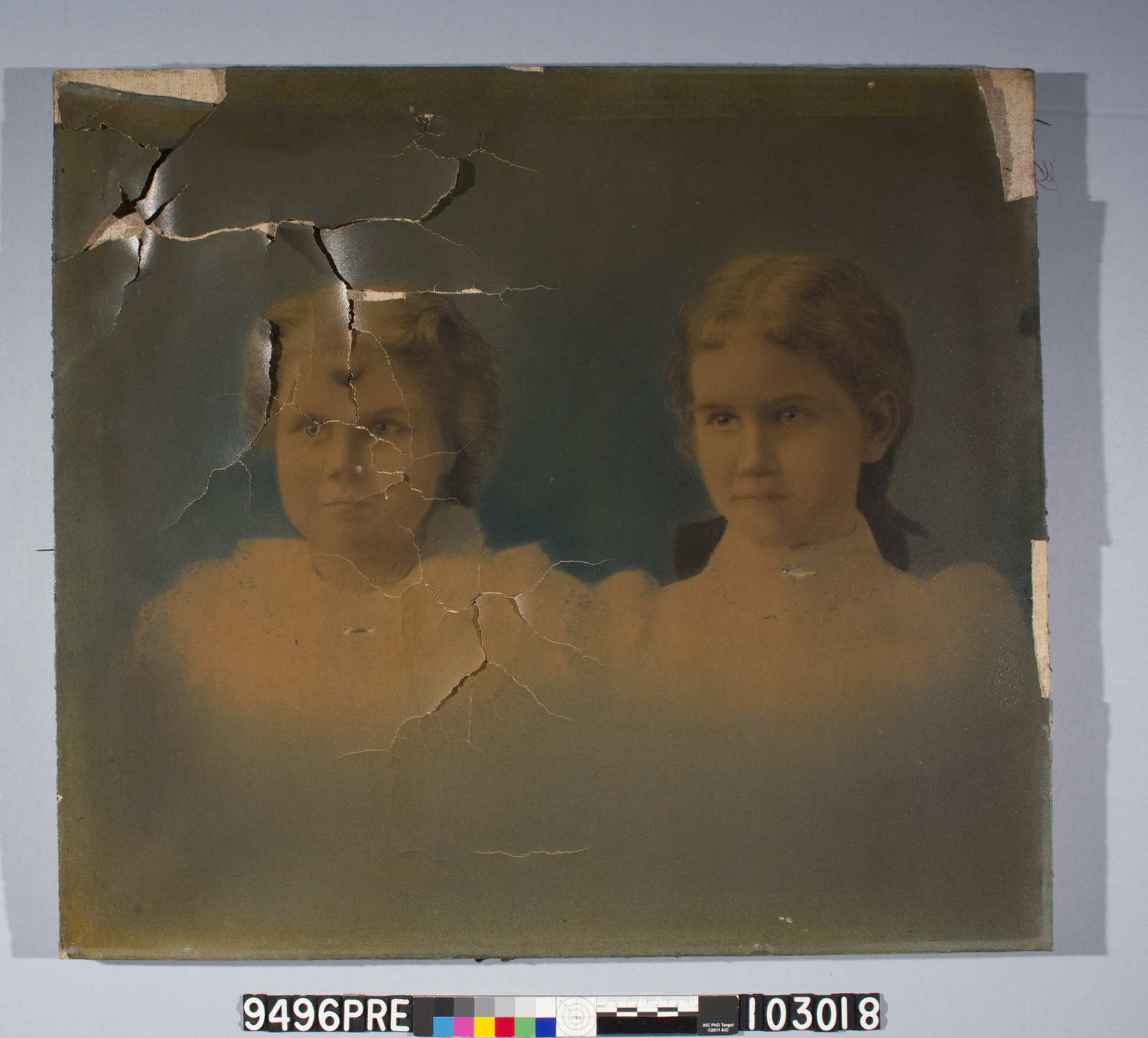
9496 Crayon portrait with extensive tears and detaching from original lining, before treatment
Crayon portrait with extensive tears and detaching from original lining, before treatment
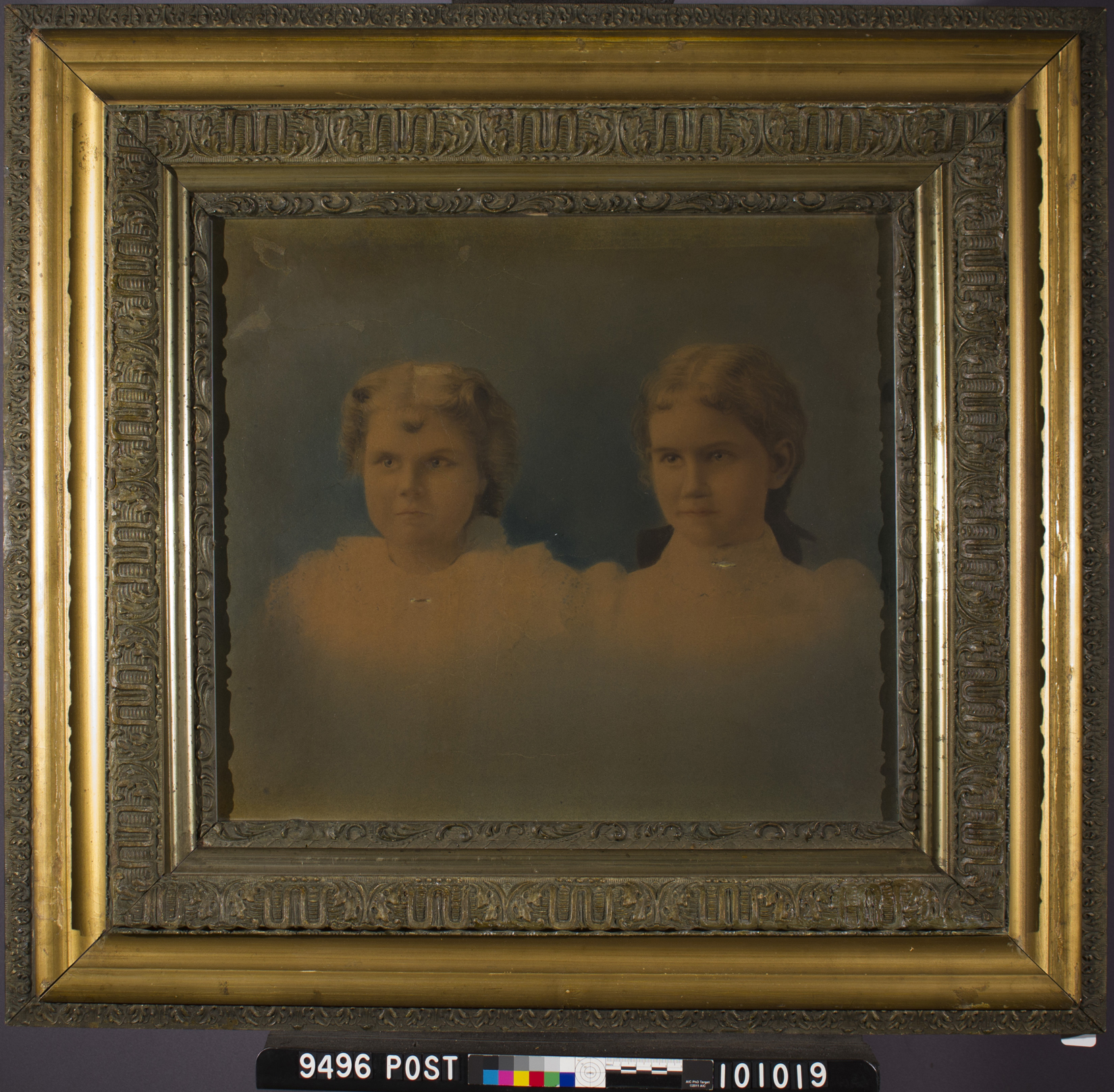
9496 Crayon portrait after lining, inpainting, filling of losses, housing in preservation package and after treatment of original frame
Crayon portrait after lining, inpainting, filling of losses, housing in preservation package and after treatment of original frame
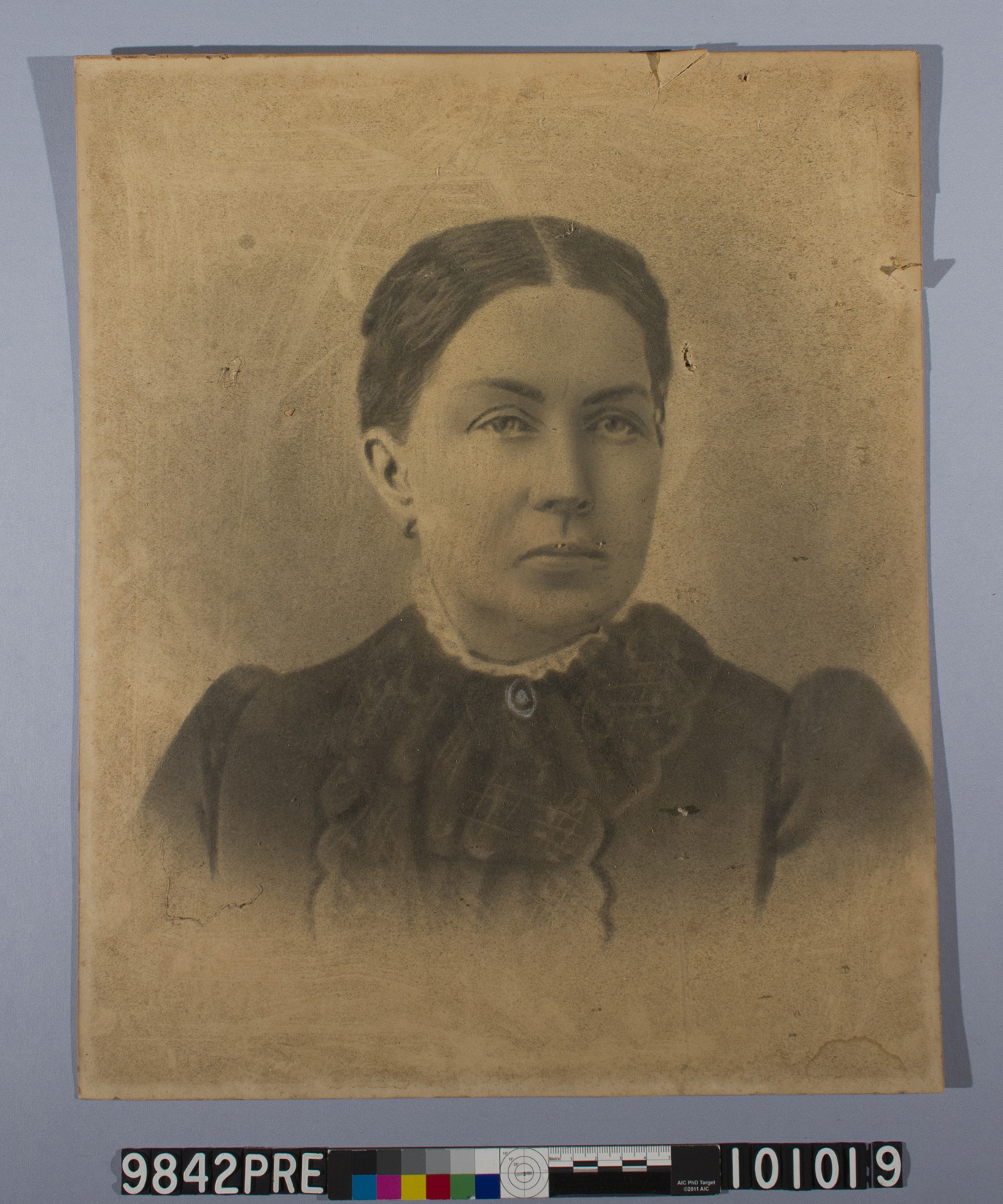
9842 Crayon portrait before treatment showing support discoloration and surface dirt
Crayon portrait before treatment showing support discoloration and surface dirt
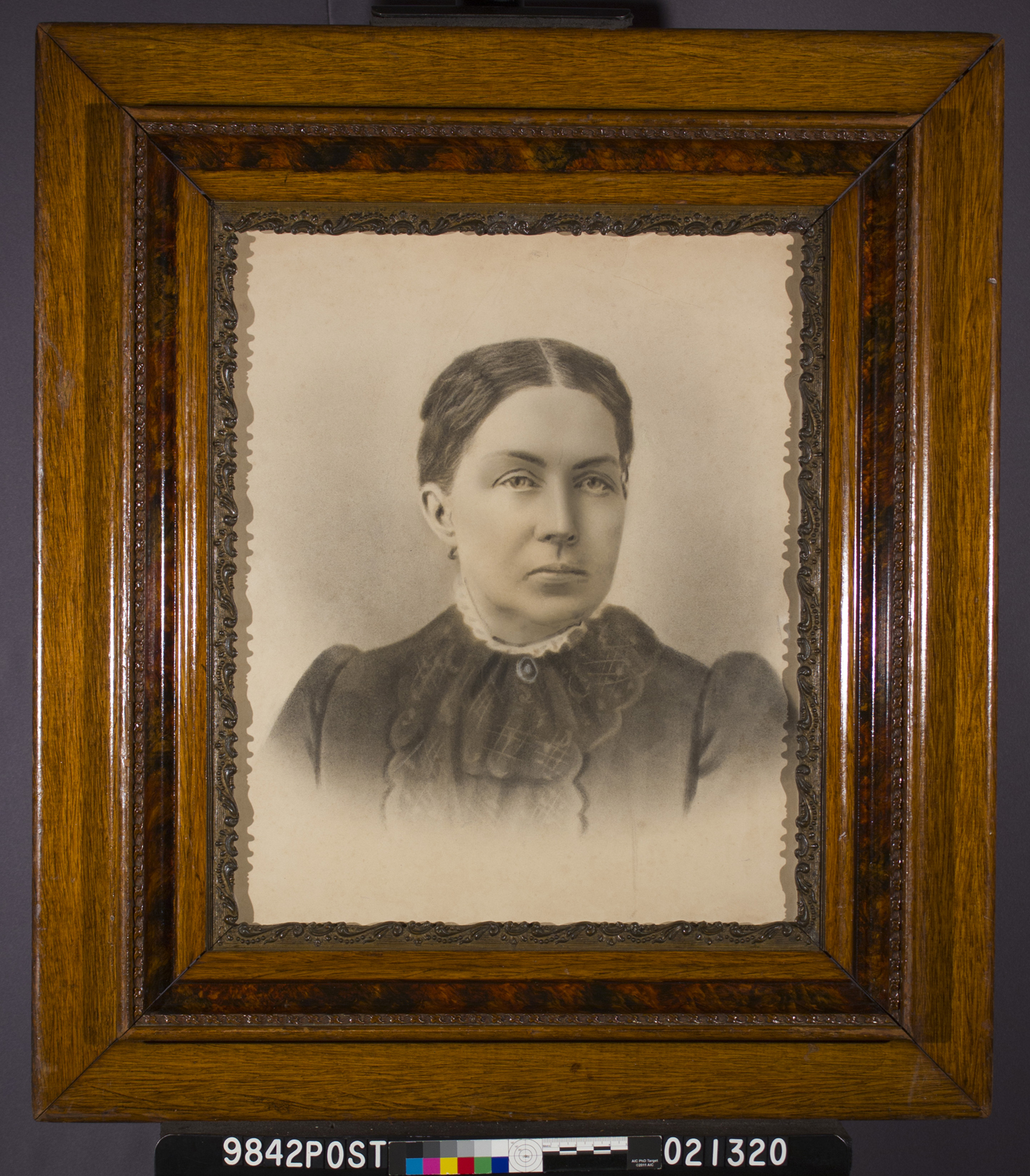
9842 Crayon portrait after light bleaching, lining and inpainting, framed with preservation housing
Crayon portrait after light bleaching, lining and inpainting, framed with preservation housing

Two crayon portraits before treatment showing areas of loss and media disruption
Two crayon portraits before treatment showing areas of loss and media disruption

Two crayon portraits after surface cleaning and inpainting of areas of loss
Two crayon portraits after surface cleaning and inpainting of areas of loss
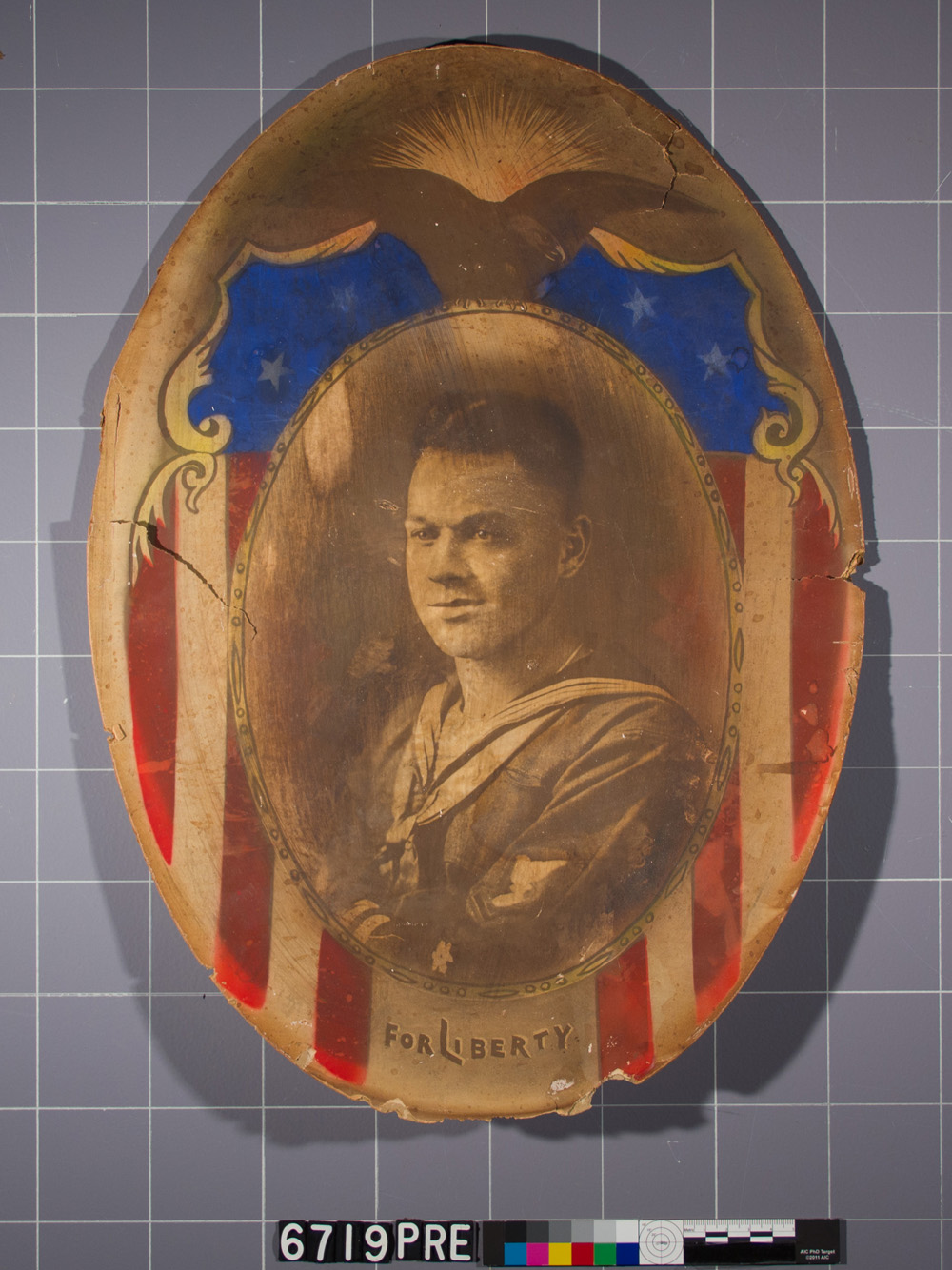
6719 Crayon portrait before treatment showing planar distortion, tears and losses
Crayon portrait before treatment showing planar distortion, tears and losses
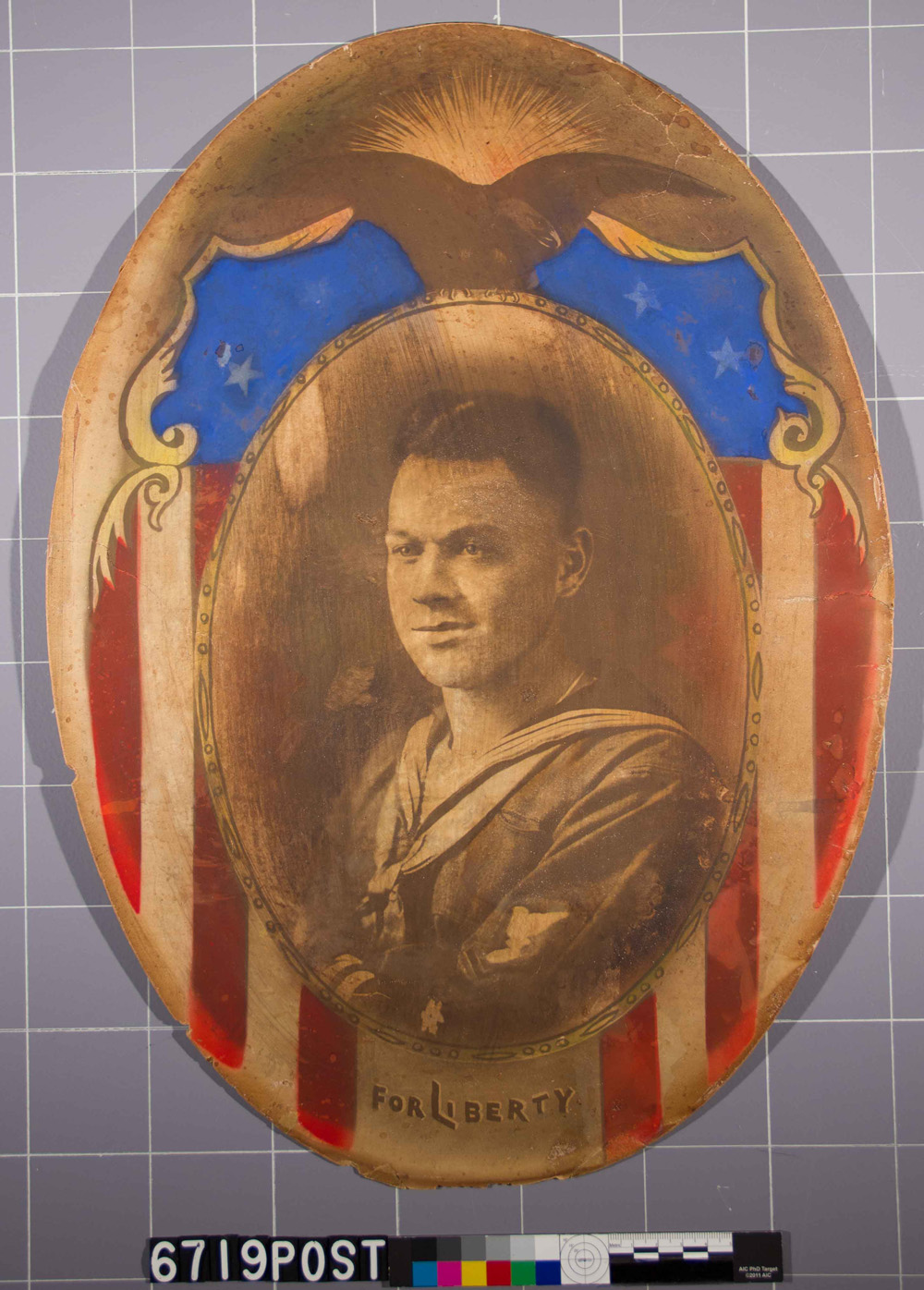
6719 Crayon portrait after reshaping, mending and inpainting
Crayon portrait after reshaping, mending and inpainting
